Before the Fixture List: How Local Games Took Root
How local games took root: trace the customs, gatherings and practical choices that help a community game become a lasting local tradition.
The common mistake in asking how a local game began is to look for one inventor, one first match and a tidy origin story. That can cost a community the more useful account: the small, repeated arrangements that made people return, adapt the rules and bring others along. To understand how local games took root, start with what people gathered to do, and what kept the gathering going.
Start with the kind of gathering people already shared
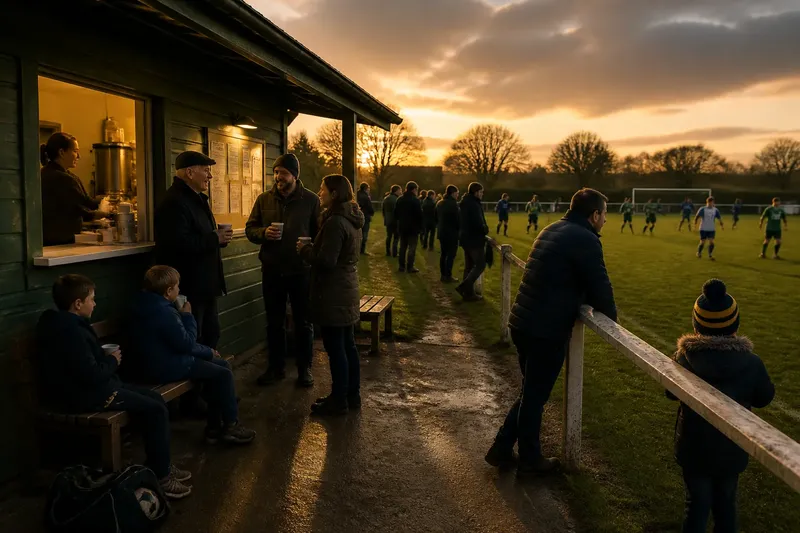
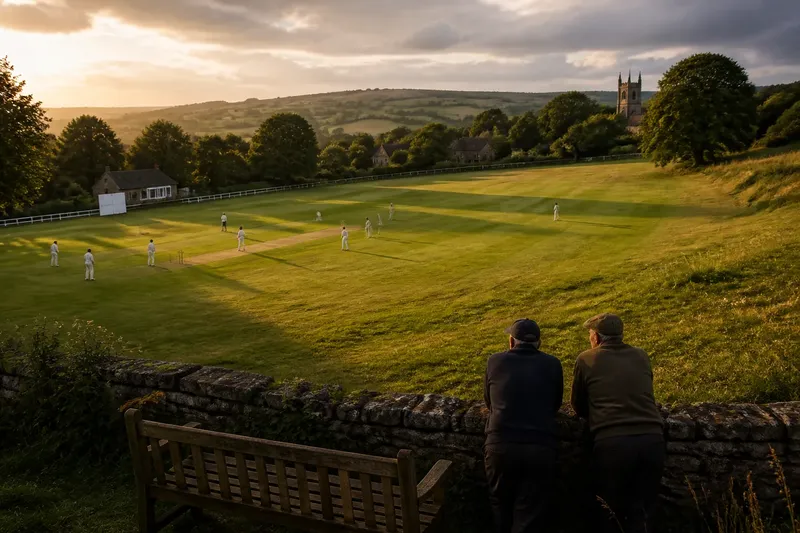
Some games grow from an existing occasion rather than a newly formed club. A fair, harvest gathering, parish event or regular day off can bring people together before anyone has settled on teams. In that situation, the game is likely to have started as a diversion attached to a familiar date or place.
Look for recurring clues: the same stretch of common ground, a customary meeting time, familiar equipment, or an informal understanding about who joins in. These details can tell you how the game fitted local life. They do not, by themselves, prove that every participant followed a fixed set of rules.
If local accounts differ, keep the differences visible. One family may recall the game as part of a fair; another may remember it as a contest between neighbouring settlements. The disagreement may reflect different memories of a custom that changed over time, not a failure to locate the single correct beginning.
Choose the gathering that best fits the evidence
The useful question is not which origin story sounds most dramatic. It is which account best matches the traces that remain. Match the kind of evidence you have to the kind of claim it can support.
- If the game appears tied to an annual occasion, begin with that occasion’s customs and the people who organised it. This fits when memories and local records point to a recurring gathering, but it does not establish who first proposed the game.
- If accounts centre on workmates or neighbours meeting regularly, look at ordinary routines: shared working hours, a customary meeting point or a familiar group. This fits when the game seems to have formed through repeated informal play rather than a single public event.
- If people remember rivalry between nearby communities, examine how those groups met and what made the contest worth repeating. This fits when the game’s identity rests on local allegiance, while leaving open whether the rivalry preceded the game or grew with it.
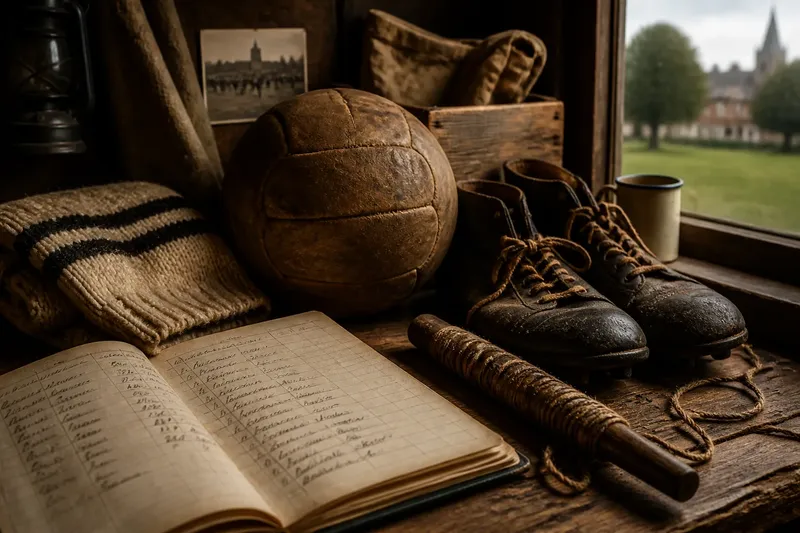
- If the earliest surviving evidence is a club record, treat it as evidence for organised play, not necessarily for the game’s beginning. This fits when paperwork is the clearest trace, but an earlier custom may have left no written record.
- If the stories conflict and evidence is thin, describe more than one plausible route. This fits because a careful account can explain what is remembered without turning uncertainty into a false certainty.
Say you are writing about a village contest that older residents connect with a seasonal gathering, while the earliest club minute book records a later match. You could describe the gathering as a remembered setting for informal play and the minute book as evidence of organised fixtures. The reader can then see how the custom may have developed without being told that either source settles the whole question.
Separate a remembered custom from an organised fixture
A recurring game does not need a committee, a fixed calendar or a printed list of opponents. People may know when and where to meet because the occasion itself supplies the cue. Regular participation can make a custom durable before anyone gives it a formal name.
Organisation becomes more visible when people need to settle practical matters: who plays, how a dispute is handled, what equipment is brought, or whether another group will be invited. Written rules and fixture lists can mark a change in scale. They are useful evidence of a game becoming more organised, but not a reliable dividing line between “no game” and “game”.
Keep those stages distinct when telling the story. A club may have formalised a local pastime, altered its rules or given it a stable name. Each is a meaningful development. None requires the claim that the club invented every part of what came before.
Ask what the local rules made possible
Rules often reveal the conditions under which people could play together. A game may have needed to accommodate mixed ages, uneven numbers, limited equipment or a place used for other purposes. The rules that emerged could be less like a polished code and more like a workable agreement.
Pay attention to the practical decisions remembered in local accounts. Did players change sides after a point, agree on a boundary informally, or pause when another community event needed the space? Such details can show how participants kept play going. Avoid presenting a remembered practice as universal unless the available evidence supports that reach.
Where rules changed, ask who benefited and who found it easier to join. A change might have made the game more orderly, but it could also have narrowed participation or shifted control to a smaller organising group. The point is not to assign modern motives to earlier players. It is to show that rules shaped the gathering as well as the contest.
What can local memories tell us?
Does the oldest written record show when the game began?
It shows that the game or its organisation was recorded by then. Informal play can leave no minutes, so the first surviving document should not automatically be treated as the first occasion.
How should conflicting accounts be described?
State what each account remembers and where they differ. If no evidence resolves the disagreement, leave the origin open rather than choosing the neatest version.
Can a recurring custom count as a local game?
It can, even without a formal name or written rules. A repeated activity with shared expectations may have been recognisable to its participants long before it appeared in club records.
What makes a game a local tradition?
Repeated participation, shared customs and a continuing place in community life can all contribute. The tradition may change as people, rules and circumstances change; continuity need not mean that every detail stays fixed.
Describe continuity without making the past too neat
Local games rarely need a single beginning to have a meaningful history. A custom can draw on an annual gathering, become a regular pastime and later acquire a club structure. In another place, organised play may have arrived through a different route. The same sequence should not be imposed on every community.
When you write or talk about a game’s past, distinguish recollection, surviving records and reasonable interpretation. Use plain wording for each: people remember, a record notes, or the evidence suggests. That small discipline keeps a lively story from becoming an unsupported claim.
For anyone asking how local games took root, the most useful answer is often a pattern rather than a date: people met, made play fit their circumstances, and found reasons to meet again. Look for the recurring occasion, the shared rule and the point at which organisation became visible. The first fixture list may be easy to find; the custom that made it worth writing is often the part that needs careful listening.